9 Nov 2026
The Evolution of Social Networks in Mixed-Format Betting Spaces
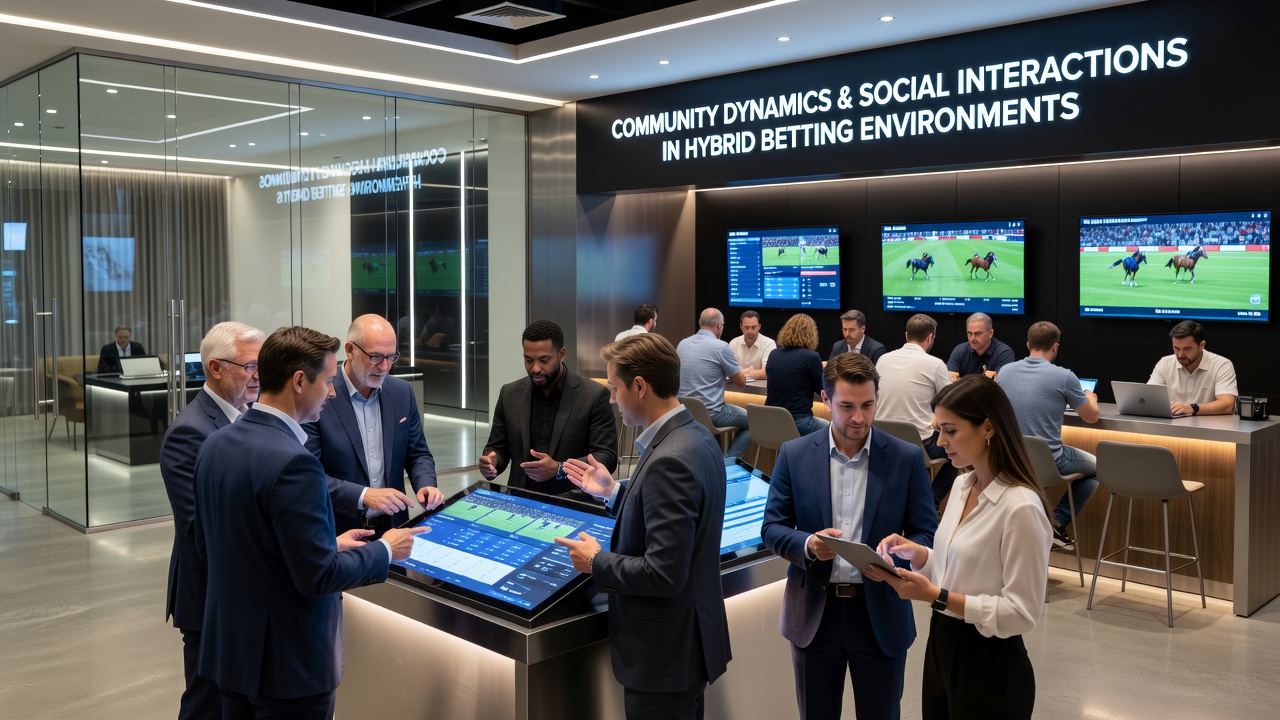
Hybrid betting environments combine sports wagering with casino-style games on single platforms, and observers note that these spaces foster distinct patterns of user interaction that differ from traditional separate betting channels. Researchers have tracked how participants form groups that share strategies across both sports events and table games, creating networks that extend beyond individual wagers. Data from industry reports shows that by November 2026 many operators recorded increased session overlaps where users switched between live sports markets and slot or poker options within the same hour.
Formation of User Groups in Integrated Platforms
Studies conducted across multiple regions indicate that users often cluster around shared interests such as specific leagues or game mechanics, and these clusters evolve into ongoing communities through chat functions and forum threads. One analysis from the Australian Gambling Research Centre revealed that 62 percent of surveyed participants in hybrid systems joined at least one discussion group focused on both sports outcomes and casino bonus mechanics. Those groups frequently exchange real-time updates during matches while also comparing slot volatility ratings, which strengthens bonds that keep users returning to the same platform.
Platform design plays a direct role because integrated lobbies allow quick navigation between betting types, and experts observe that this fluidity encourages spontaneous conversations among strangers who might otherwise remain isolated. Figures from Canadian regulatory reviews show a 28 percent rise in concurrent chat activity on hybrid sites between 2024 and 2026, suggesting that the ability to move seamlessly from a football accumulator to a blackjack table prompts users to comment on each other's choices in public channels.
Communication Patterns and Shared Knowledge Exchange
Users in these environments develop shorthand language that mixes sports terminology with casino jargon, and researchers document how newcomers adopt these terms rapidly through observation rather than formal instruction. A 2025 report issued by the National Council on Problem Gambling in the United States highlighted that 41 percent of hybrid platform users cited peer advice as their primary source for understanding combined promotions, outpacing official help sections. This knowledge transfer occurs in both text chats and voice rooms, where experienced participants walk others through hedging tactics that span a live tennis match and a roulette wheel.
What's interesting is the way seasonal events accelerate these exchanges, because major tournaments coincide with casino tournaments on the same sites, drawing larger crowds that linger in discussion areas long after individual bets settle. Observers note that such overlaps create temporary spikes in message volume, with threads sometimes reaching thousands of contributions within a single evening.

Influence of Platform Features on Interaction Quality
Features such as leaderboards that rank performance across both sports and casino categories encourage competitive yet collaborative dynamics, and data indicates users frequently form alliances to climb those rankings together. European studies compiled by the European Gaming and Betting Association found that hybrid platforms with visible team-based challenges experienced 35 percent higher rates of repeated cross-user messaging compared with sites lacking such tools. Moderation policies also shape these interactions because clear guidelines on respectful dialogue reduce conflict and allow focus to remain on strategy sharing.
Live streaming integrations add another layer because users comment on the same video feed while placing wagers on different aspects of the broadcast, leading to immediate feedback loops that strengthen group cohesion. Research teams tracking these streams in 2026 recorded average chat participation times exceeding forty minutes per session when both sports and casino elements appeared in the same stream.
Geographic Variations in Community Behavior
Regional differences appear in how communities organize, with North American users showing stronger preferences for sports-centric subgroups while Australian participants more readily mix casino discussions into the same threads. Reports from the Victorian Responsible Gambling Foundation in Australia documented that hybrid platform users there formed 22 percent more multi-topic discussion groups than counterparts in other markets. Time zone alignments further affect activity peaks, since events spanning continents allow users from different regions to overlap in real time and exchange localized insights about odds movements.
Conclusion
Hybrid betting environments continue to generate measurable shifts in how participants connect and exchange information, driven by platform architecture and event timing rather than isolated preferences. Ongoing data collection through regulatory bodies and academic partners will clarify whether these patterns persist as operators refine their offerings through late 2026 and beyond.